How will the GA 400 express lanes affect North Metro Atlanta homebuyers?
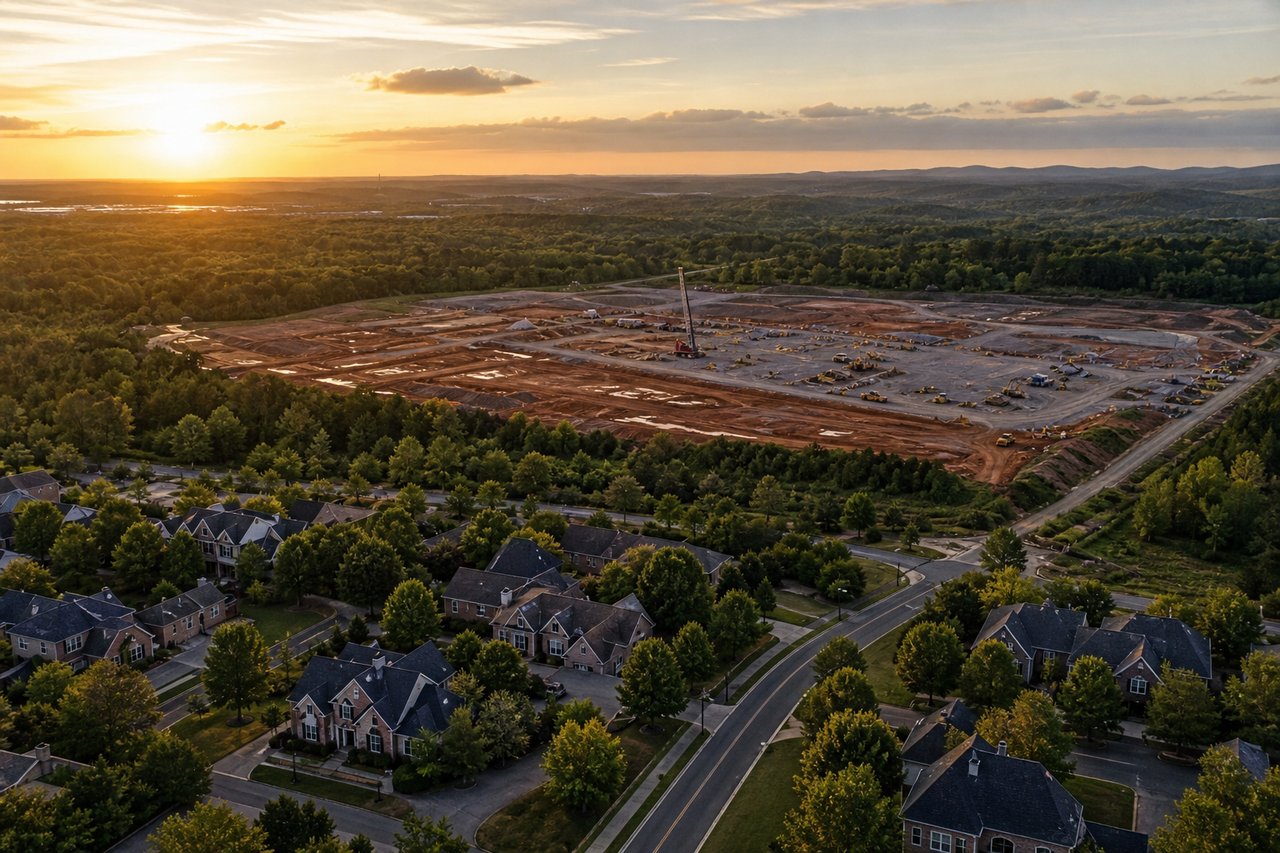
The GA 400 Express Lanes project broke ground in April 2026 and is expected to open in 2031, adding new tolled express lanes along a 16-mile corridor from the North Springs MARTA Station area in Fulton County to just north of McFarland Parkway in Forsyth County. For homebuyers weighing neighborhoods along or near SR 400, the honest answer right now is this: the near-term reality is construction disruption, and the long-term benefit is real but years away. Buying with that timeline in mind is how you make a smart decision.
What the Project Actually Is, and Where It Runs
Let's start with the facts, because there's a lot of noise out there about this project.
According to the U.S. Department of Transportation's Build America program, the SR 400 Express Lanes project adds new tolled express lanes in both directions across a 16-mile stretch of the corridor. The lane configuration changes by segment, but the spine of the project runs from the North Springs area north through Alpharetta and into South Forsyth County.
Construction officially began in spring 2026. The Georgia Department of Transportation's project FAQ lists the expected opening as 2031. That's a five-year construction window, and the Atlanta Journal-Constitution's April 2026 coverage put it plainly: commuters should expect years of disruption before any travel-time benefit arrives.
The project is part of Georgia's Major Mobility Investment Program and is funded through a mix of federal, state, local, bond, and private financing, according to USDOT. That funding structure matters, it signals this project has real institutional backing, not just a ribbon-cutting with no follow-through.
The express lanes will be tolled. They are not free lanes. Drivers who want to use them will pay a toll in exchange for a more predictable travel time. That distinction matters for how you think about the long-term commute value of living near the corridor.
The geography that matters most for buyers
The corridor directly connects some of the most active real estate markets in North Metro Atlanta. If you're buying in Alpharetta, Johns Creek, Cumming, Duluth, or Sugar Hill, SR 400 is already part of your commute calculus. This project doesn't change that calculus today, but it will in 2031 and beyond.
I work with buyers across all of these markets, and the question I'm hearing more often in 2026 is whether proximity to SR 400 is an asset or a liability right now. The honest answer is: it depends on your timeline. If you're buying for five-plus years, the express lanes are a genuine future benefit. If you're buying for two or three years and plan to resell during peak construction, you'll want to think carefully about commute conditions and how buyers will perceive the corridor at that moment.
How This Could Affect Home Values, and What We Actually Know
Here's where I want to be careful, because a lot of what you'll read online overstates what we can actually verify about price impacts.
There is no published local MLS study or peer-reviewed analysis specific to the SR 400 corridor that proves a price premium tied to this project. What we do know from broader transportation research, including work cited by the USDOT Build America program, is that major infrastructure improvements tend to increase buyer willingness to pay for commute certainty over time. That's a reasonable inference for this corridor, but I won't dress it up as a proven fact.
What I can tell you is what the market looks like right now across the areas most connected to the SR 400 corridor, based on recent Zillow market data (trailing approximately 90 days, as of August 2026):
Area | Median Sale Price | Median Days on Market |
|---|---|---|
Sugar Hill | $462,000 | 54 |
Suwanee | $615,000 | 46 |
Buford | $474,900 | 39 |
Duluth | $437,000 | 56 |
Cumming | $595,886 | 25 |
Alpharetta | $749,000 | 39 |
Lawrenceville | $378,990 | 25 |
Johns Creek | $709,900 | 47 |
These are area-level medians. An individual home's value depends on condition, street, build year, and timing, not just the zip code. But the spread here tells a story: the markets closest to the SR 400 spine (Alpharetta, Johns Creek, Cumming) are already commanding the highest medians. The express lanes project doesn't create that premium from scratch, it reinforces and potentially extends it as the opening date gets closer.
If you want to understand what a specific home's position relative to the corridor means for your long-term value, that's a conversation worth having before you make an offer, not after. That's exactly the kind of analysis I walk my clients through before we write anything.
Near-term construction: what buyers near the corridor need to factor in
The AJC's April 2026 reporting was direct about it: your commute on GA 400 is about to get worse before it gets better. Construction on a 16-mile active corridor doesn't happen quietly, and the project runs through some of the most congested segments of the road.
For buyers, that has practical implications:
- Route flexibility matters more right now. If a home's only reasonable commute path is SR 400, factor in the disruption years. Homes with access to GA 20, US 19, or other parallel routes offer more buffer.
- Construction noise and traffic near on-ramps is real. Homes very close to interchange work zones may see temporary impacts on livability and buyer perception during resale.
- The 2031 opening is the current official estimate. Infrastructure projects can run on schedule or not. Plan around the known timeline, but build in flexibility.
None of this means you should avoid buying near SR 400. It means you should buy with clear eyes about what the next few years look like, and what the corridor will look like when you're ready to sell or stay long-term.
If you're a first-time buyer trying to sort out how commute access fits into your overall decision, I'd also point you to my breakdown of first-time homebuyer tips for North Metro Atlanta, commute planning is one of the factors I cover there in detail.
And if you're watching how transit infrastructure more broadly is reshaping buyer behavior in the region, my post on the Gwinnett County transit expansion covers a parallel story on the east side of the metro.
What Smart Buyers Are Asking Right Now
The buyers I'm working with along this corridor in 2026 are asking the right questions. They're not assuming the express lanes are already a benefit, they're asking how to position a purchase so they capture the upside when the project delivers.
A few things worth keeping in mind as you evaluate homes near SR 400:
- Proximity to access points matters more than raw distance from the highway. A home five minutes from a functioning express lane on-ramp in 2031 is a different asset than one that requires navigating local roads to reach the corridor.
- The tolled nature of the lanes is a feature for some buyers, not a cost. Commuters who value predictable travel time, and are willing to pay for it, will see the express lanes as a genuine quality-of-life improvement. That's a buyer pool worth thinking about when you eventually sell.
- Construction timelines are public information. GDOT maintains the official project contact at [email protected] and updates project materials as construction progresses. If you're buying near an active work zone, it's worth knowing what phase of construction affects your specific area.
Your specific situation, which neighborhood, which price point, how long you plan to hold, determines how the SR 400 timeline plays into your decision. That's not something a blog post can answer for you. It's something we work through together.
Frequently Asked Questions
When will the GA 400 express lanes open?
According to the Georgia Department of Transportation's project FAQ, construction began in spring 2026 and the express lanes are expected to open in 2031. That is the most recent official estimate available as of August 2026. Infrastructure timelines can shift, so checking GDOT's project updates as you get closer to a purchase decision is worthwhile.
Where will the GA 400 express lanes run?
The project covers a 16-mile corridor on SR 400, from the North Springs MARTA Station area in Fulton County to just north of McFarland Parkway in Forsyth County, according to the U.S. Department of Transportation. That puts the corridor directly through the Alpharetta, Johns Creek, and South Forsyth/Cumming commute zone.
Are the GA 400 express lanes toll lanes or free lanes?
They are tolled express lanes. Drivers who choose to use them will pay a toll in exchange for a more predictable, less congested travel time. The existing general-purpose lanes on SR 400 remain available at no toll cost. This is consistent with how GDOT has structured other managed-lane projects in the region.
Will the GA 400 express lanes make homes near the corridor more valuable?
There's no published study specific to this corridor proving a price premium tied to the express lanes project. What transportation research broadly suggests is that major infrastructure improvements can increase buyer willingness to pay for commute certainty over time. The more defensible framing right now is that the express lanes may reinforce demand in already-strong markets like Alpharetta, Johns Creek, and Cumming as the 2031 opening approaches. Your specific home's value depends on far more than corridor proximity, condition, street, and timing all matter.
How much construction disruption should commuters expect before the lanes open?
Significant disruption, according to Atlanta Journal-Constitution reporting from April 2026. The project runs through 2031, and active construction on a 16-mile corridor means lane closures, ramp reconfigurations, and slower travel times in affected segments for years before any benefit arrives. Buyers near the corridor should plan commute routes with that reality in mind.
What should homebuyers know about buying near a major highway project?
Near-term impacts can include construction noise, traffic pattern changes near interchanges, and potential buyer perception challenges if you plan to resell during peak construction. Long-term, completed infrastructure projects tend to support demand in connected markets. The key is buying with a clear-eyed view of your timeline, route flexibility from the specific home, and how the corridor will look when you're ready to sell or stay.
The SR 400 Express Lanes project is a genuine long-term infrastructure investment for North Metro Atlanta, but it's a 2031 benefit, not a 2026 one. The buyers who will come out ahead are the ones who understand that distinction and buy accordingly.
If you're evaluating homes along the SR 400 corridor and want to work through how the project fits your specific timeline and budget, schedule a free consultation and let's map it out together.
Equal Housing Opportunity. Each office is independently owned and operated. Hersh Shah Group is licensed with Keller Williams Intown Atlanta, regulated by the Georgia Real Estate Commission. This article is general information only and does not constitute legal, tax, or financial advice, confirm your specific situation with your real estate attorney, tax advisor, or lender.