Wondering if Roswell is just another North Metro suburb? In practice, it offers a more layered lifestyle than that. If you are weighing a move, this guide will help you understand what daily life, housing, outdoor access, and commuting really look like in Roswell so you can decide whether it fits your goals. Let’s dive in.
Roswell at a glance
Roswell is a city in Fulton County with 92,833 residents, according to the 2020 census. It also stands out for a relatively high median household income of $128,654 and a mean commute time of 26.9 minutes.
What shapes the feel of Roswell most is not just the numbers. The city’s public plans and amenities point to a place that values historic preservation, arts programming, and access to parks and the river. For many buyers, that creates a lifestyle that feels more connected and established than a typical commuter suburb.
Daily life in Roswell
Roswell’s downtown area plays a big role in how the city feels day to day. The Historic Town Square and Canton Street area is a central gathering point, but it is also part of a preservation-focused district that the city has worked to protect through long-term planning.
That means downtown is not only charming, but also intentionally maintained. The Town Square and Atlanta Street corridor is important enough that the city has identified it as a major commuter route that needs careful attention to design and character.
If you spend time downtown, you will notice that it is more functional than some historic districts. The city lists more than 400 free parking spaces at City Hall and the Cultural Arts Center, along with more free parking on Green Street and paid options near Historic Town Square.
Historic character feels real here
In some cities, “historic” is mostly a marketing phrase. In Roswell, it is part of the city’s actual planning approach. The Historic District Master Plan is specifically focused on protecting historic character and resources.
That planning shows up in the overall atmosphere near the city core. You can expect a stronger sense of place around downtown than you may find in newer suburban areas where development happened all at once.
It is also worth noting that not every home in Roswell is historic. Instead, the city center has a stronger preservation identity, while the broader housing stock offers a wider range of home styles and price points.
Arts and events are part of local life
Roswell also has an active cultural side that shapes everyday living. The city manages the Roswell Cultural Arts Center, the Visual Arts Center, Art Center West, and three historic house museums: Barrington Hall, Bulloch Hall, and Smith Plantation.
Recurring programs help keep that cultural calendar active throughout the year. The city highlights events and programs such as Riverside Sounds, Roswell Roots, ArtAround Roswell, and Center Stage.
For you as a resident, that can mean more than occasional entertainment. It can make the city feel more walkable, more event-driven, and more connected to local traditions and public spaces.
Parks and outdoor access are major perks
One of Roswell’s biggest lifestyle advantages is how easy it is to spend time outdoors. The city’s park system gives you several ways to do that, whether you want a quiet trail, river access, or a more active recreation setup.
Here are some of the standout public spaces the city highlights:
- Riverside Park with canoe and kayak launch access, fishing docks, a sprayground, a playground, and multi-use trails
- Roswell River Landing with views overlooking the Chattahoochee River
- Big Creek Park with hiking, biking, and river or creek access
- Roswell Area Park with trails, sports fields, a pool, and additional recreation amenities
For many buyers, this is one of Roswell’s clearest strengths. You are not choosing between suburban convenience and outdoor access. In many parts of the city, you can have both.
The river helps define the lifestyle
Roswell describes itself as a riverside community, and that matters. The Chattahoochee River and connected creeks contribute to the city’s habitat value and outdoor identity.
The city also has a certified community wildlife habitat program. That reinforces the idea that Roswell’s natural spaces are not just decorative, but part of how the city sees itself and plans for the future.
If you want a place where parks, trails, and water access are part of regular life, Roswell has a strong case. That outdoor piece is one reason many buyers see it as more than a standard bedroom community.
Vickery Creek adds a scenic side
Roswell also offers a more scenic and historic outdoor setting at Vickery Creek and Old Mill Park. This area includes covered bridge views, trails, old mill ruins, and an overlook for the waterfall.
It is a distinct part of the city’s identity and a meaningful lifestyle feature for people who value nearby green space. The city asks visitors to stay on designated trails and viewing platforms, which is useful to know if you plan to spend time there often.
Housing in Roswell offers range
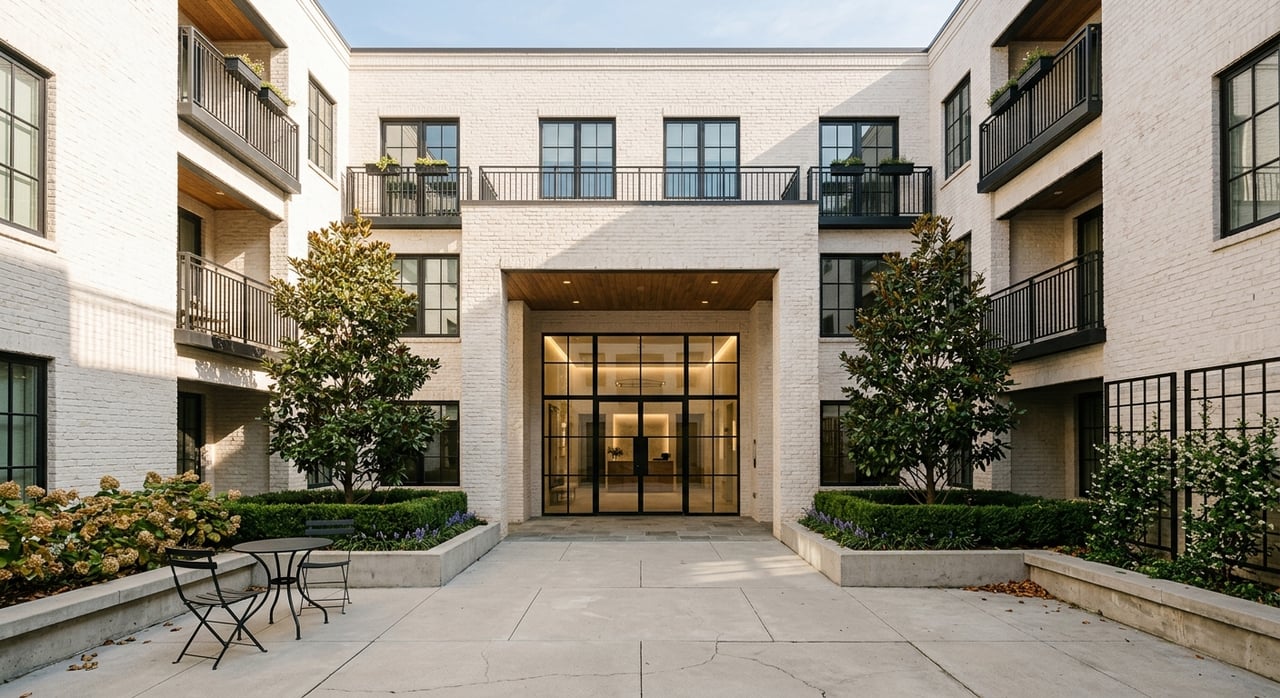
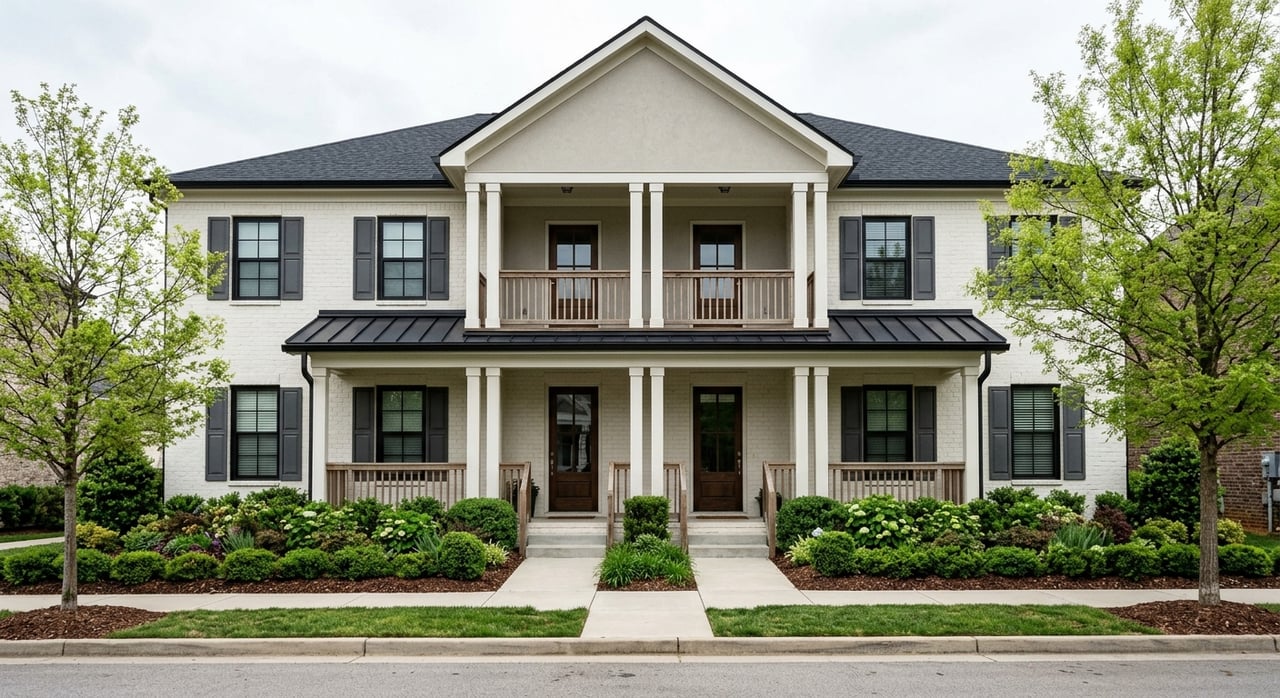
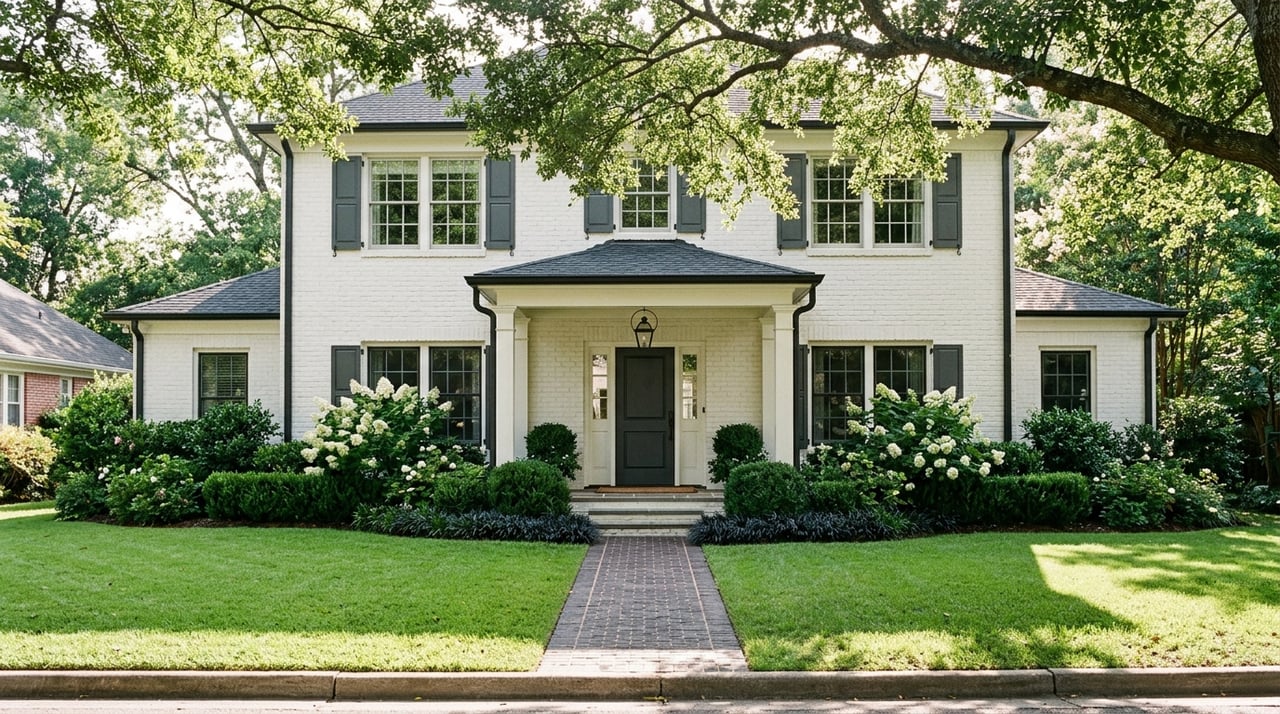
Roswell’s housing stock is broad enough to appeal to several kinds of buyers. If you are relocating, buying your first home, moving up, or looking for a lower-maintenance option, the city offers multiple entry points.
Current market data shows a median sale price around $630,000 to $635,000, with homes typically selling in about 27 to 29 days. The same market snapshot shows median sale prices of $730,878 for single-family homes, $527,378 for townhomes, and $367,861 for condo and co-op homes.
That mix can be helpful if you want flexibility in both budget and home type. It also means Roswell is not a one-note market.
What the market feels like
Roswell is described as a very competitive market. For buyers, that usually means preparation matters. If you are entering the market here, strong financing, clear priorities, and disciplined decision-making can make a big difference.
For sellers, competition can support pricing, but strategy still matters. A well-positioned listing has a better chance of attracting serious demand without overreaching.
This is where a data-driven approach can be valuable. In a competitive market, you want to understand not just asking prices, but how quickly homes are moving and how different property types are performing.
Roswell pricing compared with nearby cities
Roswell often lands in a middle-ground position within North Fulton pricing. It is meaningfully above the broader Fulton County median, but generally below some nearby North Metro cities.
Here is the basic pricing context from current market data:
| Area | Median Sale Price |
|---|---|
| Fulton County | $497K |
| Roswell | About $635K |
| Sandy Springs | About $700K |
| Johns Creek | About $717K |
| Alpharetta | About $750K |
| Milton | About $1.1M |
For many buyers, that creates an interesting value equation. You may be able to access Roswell’s historic identity, river access, and established feel without always stepping into the highest price tier in North Metro.
Getting around Roswell
Roswell is still largely a car-oriented suburb, and it helps to go in with that expectation. The city’s mean travel time to work is 26.9 minutes, which suggests commuting is manageable for many residents, though traffic patterns still matter.
Roswell is also served by MARTA bus routes 85, 142, and 185. According to the city, those routes connect riders to North Springs rail station and the Mansell Road Park and Ride.
Service is listed at about every 30 minutes during weekday peak periods and about every 40 minutes at other times, with service running roughly from 5:00 a.m. to 1:00 a.m. That can be useful if you want transit access, but most households will still find daily life easier with a car.
Traffic and mobility are real considerations
Roswell’s Transportation Department oversees signs, signals, pavement markings, resurfacing, sidewalk connectivity, and bridge maintenance. The city’s Transportation Master Plan focuses on congestion, cut-through traffic, safety, and long-range mobility.
That matters because Roswell’s appeal comes with activity. The same downtown and historic areas that attract buyers can also feel busier, especially along the Town Square and Atlanta Street corridor, which the city identifies as a major commuter thoroughfare.
If you are home shopping, this is a practical reminder to look beyond photos. Drive the area during different times of day so you understand the traffic rhythm of a specific location.
Schools require address-level verification
If schools are part of your housing decision, Roswell is served by Fulton County Schools. The district uses attendance zones, and those boundaries should be checked by address before you assume a home is assigned to a specific school.
Roswell High School’s prospective parent information states that only students living in its attendance zone may attend. For buyers, the key takeaway is simple: verify school assignment early in the search process.
That step can save time and help you avoid making decisions based on outdated listing information or assumptions.
Who tends to like living in Roswell
Roswell often appeals to buyers who want more than square footage alone. If you value established surroundings, outdoor recreation, access to cultural events, and a downtown area with real identity, Roswell checks a lot of boxes.
It can also make sense if you want North Metro access with pricing that often lands below Alpharetta, Johns Creek, or Milton. For many households, that balance of lifestyle and relative value is the core of Roswell’s appeal.
From a strategic standpoint, Roswell is especially worth a closer look if you care about resale, long-term livability, and a location with multiple demand drivers. Historic character, park access, and a broad housing mix can all support that.
Bottom line on living in Roswell
Living in Roswell feels like choosing a suburb with more texture than average. You get a city shaped by historic preservation, arts programming, parks, river access, and a downtown that functions as more than a postcard backdrop.
At the same time, it is still a practical North Metro decision. Housing spans several price points, commuting is workable, and the city sits in a useful middle range compared with some neighboring markets.
If you are thinking about a move to Roswell, the smartest next step is to evaluate specific areas through both a lifestyle and market lens. If you want help comparing Roswell with other North Metro options or building a data-backed buying plan, connect with Hersh Shah.
FAQs
What is daily life like in Roswell, Georgia?
- Daily life in Roswell centers around a preservation-focused downtown, active arts programming, and strong access to parks, trails, and the Chattahoochee River.
Is Roswell, Georgia a good place for outdoor recreation?
- Yes. Roswell offers major outdoor amenities like Riverside Park, Big Creek Park, Roswell Area Park, Roswell River Landing, and Vickery Creek with trails, river access, and scenic views.
How expensive is it to buy a home in Roswell, Georgia?
- Current market data shows Roswell’s median sale price is about $630,000 to $635,000, with single-family homes, townhomes, and condos offering different price points.
How does Roswell compare with Alpharetta or Johns Creek?
- Roswell generally sits below Alpharetta and Johns Creek in median sale price while still offering strong lifestyle features like historic character, parks, and river access.
Is Roswell, Georgia easy to commute from?
- Roswell is largely car-oriented, with a mean commute time of 26.9 minutes, plus MARTA bus connections to North Springs rail station and the Mansell Road Park and Ride.
How do school zones work in Roswell, Georgia?
- Roswell is served by Fulton County Schools, and school assignments depend on attendance zones, so you should verify the assigned school by property address before buying.