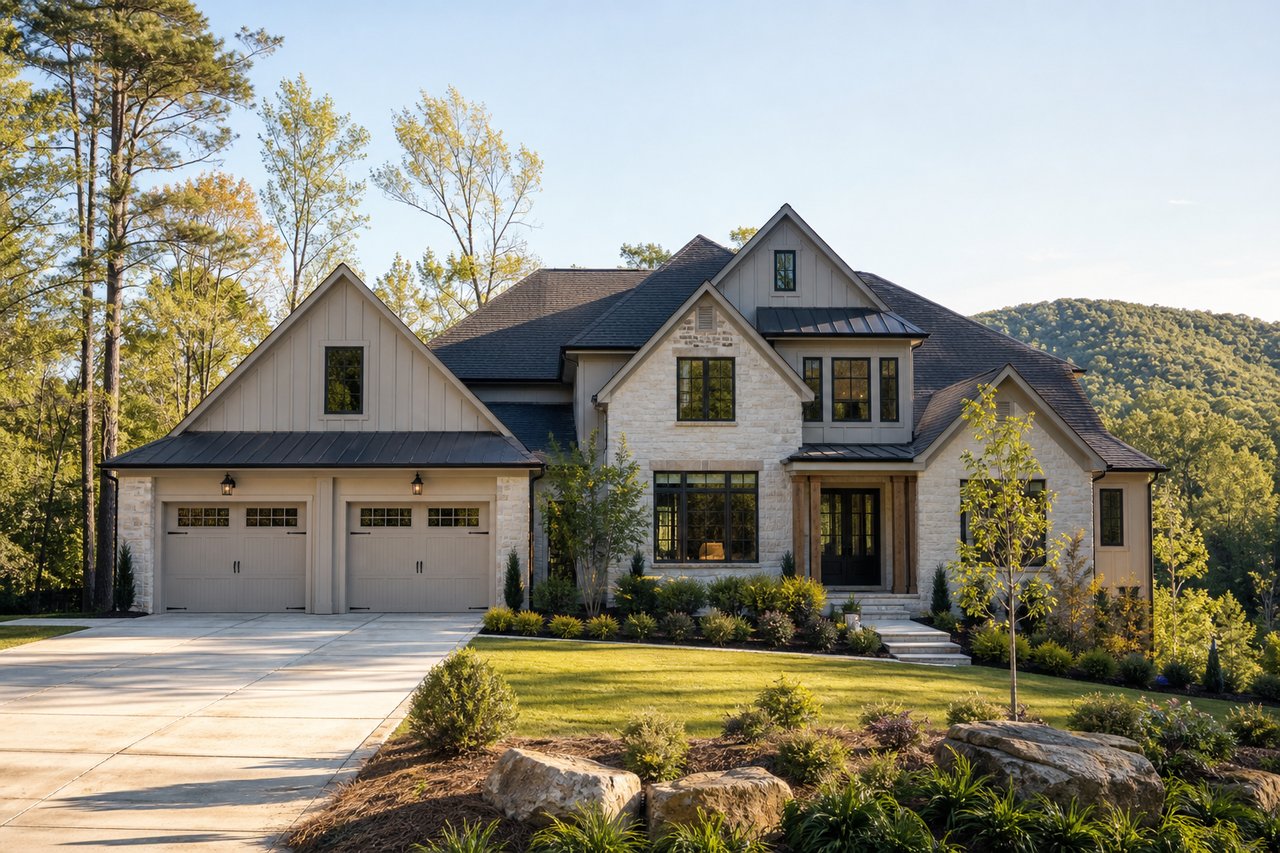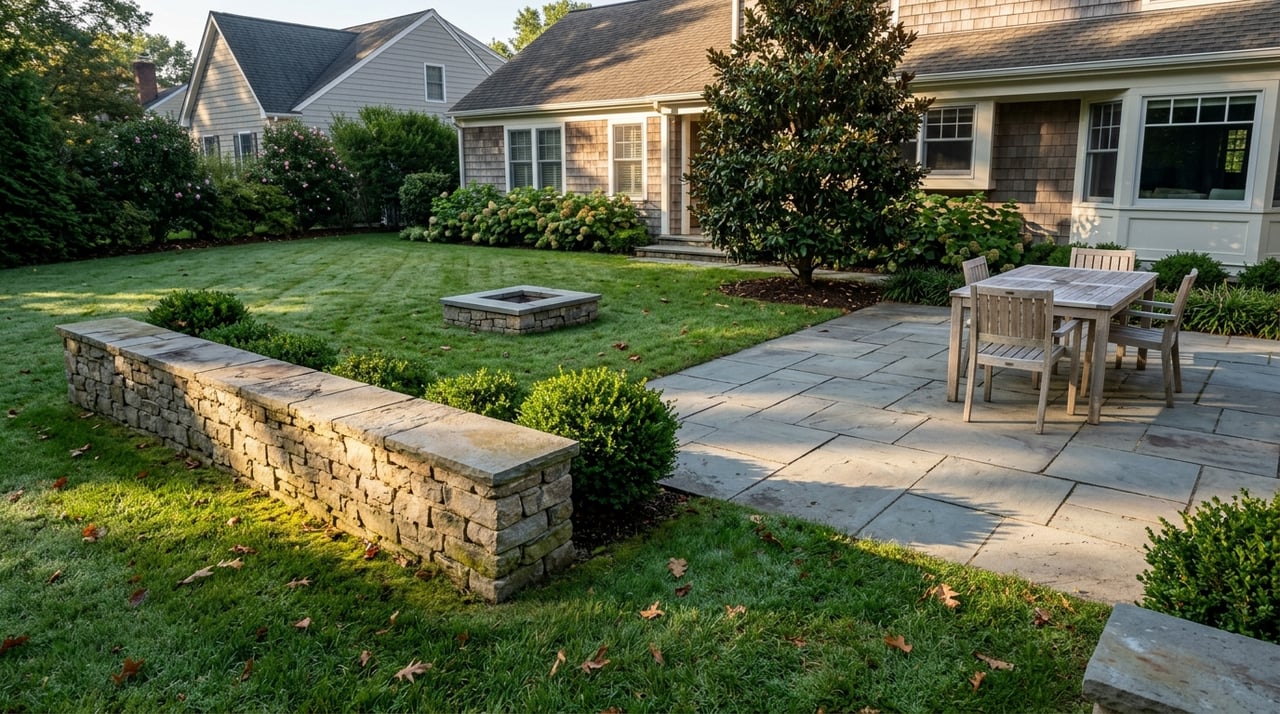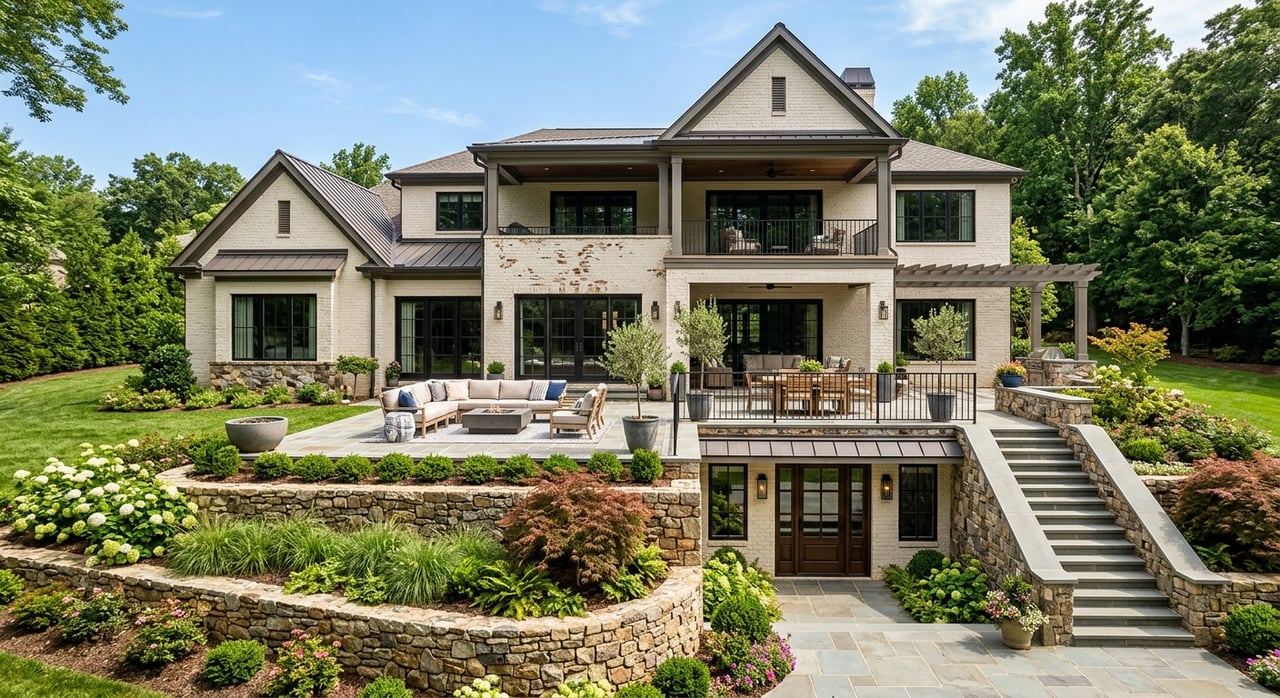
Buying a home in Buford and offsetting the payment with rental income can be a smart move, but only if you start with the right question: is the property in the City of Buford or unincorporated Gwinnett County? That one detail can shape what kind of house hack is even possible. If you want a practical, numbers-first way to evaluate your options, this guide will walk you through the local code paths, property types, and underwriting basics that matter most. Let’s dive in.
Start With Jurisdiction First
In Buford, the same strategy does not work everywhere. The City of Buford and Gwinnett County publish separate zoning rules, so your options can change based on whether a property sits inside city limits or in unincorporated county territory.
That means your first step is not picking a floor plan or estimating rent. Your first step is verifying the parcel jurisdiction and checking the applicable zoning rules before you write an offer. In practice, that helps you avoid building a plan around a use that may not be allowed at that address.
What House Hacking Can Look Like in Buford
House hacking simply means you live in the property while using part of it to help cover your housing costs. In Buford, that can take a few different forms depending on the property and the local code path.
The most realistic ladder looks like this:
- Roommates in a single-family home
- An accessory dwelling unit in unincorporated Gwinnett, where allowed
- A duplex or small multifamily property in the right City of Buford RM district
That progression matters because each option has a different level of complexity. Some are simple owner-occupant setups, while others require much more zoning and financing review.
Roommates Are the Simplest Entry Point
If you want the easiest version of house hacking, sharing a standard single-family home with roommates is often the most straightforward place to start. It usually avoids the added complexity that comes with a separate dwelling unit or small multifamily zoning.
For many buyers, this approach creates a lower-risk entry into ownership. You can focus on buying a home that fits your budget and location needs first, then evaluate how much income sharing the home may realistically support.
County ADUs Create Another Path
If the home is in unincorporated Gwinnett County, the code provides a more defined path for an accessory dwelling unit, often called an ADU. This is one of the clearest local options if you are thinking about a basement apartment setup or a separate smaller unit on the property.
According to Gwinnett County code, an accessory dwelling is treated as a conditional use. The standards require the primary dwelling to be owner-occupied, and the accessory unit can be detached or attached if it has a separate entrance.
The county also requires several specific conditions, including:
- The ADU must stay within 50% of the heated area of the principal residence
- It must meet rear-yard placement rules and applicable setbacks
- It must include a full kitchen and bath
- It must have at least one paved off-street parking space
- It must have a separate electrical meter and service panel
- It needs a certificate of occupancy before use
If you are considering a basement-style house hack, this county framework is especially important because it explicitly allows an attached unit with separate access. Still, this is not something to assume from a listing description alone. You need to confirm the parcel location and whether the property can meet the county standards.
City RM Districts Matter for Duplexes and Quads
Inside the City of Buford, small multifamily opportunities depend heavily on zoning district. The city zoning code identifies certain RM districts that are the most relevant for duplex and multifamily house hacks.
In broad terms, the city code says these districts are intended for duplex and multifamily dwellings where public water and sewer are available and where there is access to collector streets or major thoroughfares. That means the location and infrastructure matter, not just the building itself.
Here are the key districts to know:
- RMD is primarily for duplexes and allows only one duplex per lot of record
- RM-6 allows multifamily dwellings and can allow a quadruplex apartment development on individual subdivision lots if conditions are met
- RM-8 allows RM-6 uses plus higher-density attached multifamily
For a buyer, the takeaway is simple: true duplex, triplex, or quad-style opportunities may exist in Buford, but only in the right zoning district and usually with careful review. You should not assume a small multifamily plan is viable unless the parcel and code support it.
Buford Has Some Supportive Local Context
Buford’s broader housing and planning picture makes house hacking a relevant conversation. The city’s official messaging emphasizes a live-work-play downtown with restaurants, shops, galleries, recreation, shopping, and business opportunities. The city’s 2045 Comprehensive Plan also highlights goals like attracting jobs, encouraging thoughtful development, enhancing transportation, strengthening downtown, and preserving quality of life.
There is also some evidence that residents are open to more housing variety. In the city’s comprehensive plan survey, respondents identified single-family homes with accessory dwelling units, live/work units, small multifamily buildings, and duplexes as needed housing types. That does not create an automatic right to build or convert, but it does show that income-offset and flexible housing ideas are part of the local conversation.
Underwrite the Property, Not the Headline
A lot of buyers get interested in house hacking because the concept sounds attractive on paper. The real question is whether a specific property works once you factor in purchase price, projected rent, taxes, insurance, HOA dues, repairs, and reserves.
Buford’s housing numbers show why that matters. Census QuickFacts reports a median value of owner-occupied housing units of $368,700, median gross rent of $1,357, and median monthly owner cost with a mortgage of $1,944. Current market trackers read higher, with Zillow reporting an average home value of $469,651 and realtor.com showing a median listing price around $560,000 and median rent around $2,300.
That spread tells you something important. Market medians can be useful for framing, but they are not enough to justify a purchase. A house hack only works when the actual property, actual payment, and realistic rent line up.
Know How Rent May Be Counted
For buyers using owner-occupant financing, projected rent may help with qualification in some situations. HUD says FHA loans are available with down payments as low as 3.5% and can be used on 1 to 4 unit properties.
Fannie Mae guidance states that projected rent on a two- to four-unit primary residence is credited at 75% of gross rent, while the full mortgage payment still stays in debt-to-income calculations. Accessory-unit income is entered separately.
Using Buford’s Census median gross rent of $1,357, a 75% credit works out to about $1,018 per month. Using realtor.com’s median rent of roughly $2,300, the same 75% approach comes out to about $1,725 per month.
That is a wide gap, and it is exactly why disciplined underwriting matters. Ask your lender to show you clearly how projected rent, taxes, insurance, HOA dues, and the full monthly payment will be treated in your qualification.
Build in a Real Cushion
Even if projected rent helps on paper, you still need reserves. The 75% rent factor already assumes some cushion, but it does not eliminate the risk of vacancy, repairs, turnover, or unexpected closing costs.
A good house hack is not just one that gets approved by a lender. It is one that still feels manageable if rent comes in lower than expected or if the property needs work sooner than planned.
A Simple Buford House Hacking Framework
If you want a practical way to approach this in Buford, use a three-step filter before you get too attached to any property:
Verify jurisdiction
- Confirm whether the address is in the City of Buford or unincorporated Gwinnett County
Match the property to the code path
- Roommate setup in a standard home
- County ADU path where allowed
- City RM-zoned duplex or small multifamily opportunity
Underwrite conservatively
- Use realistic rent, full monthly housing cost, and cash reserves
This process keeps you focused on what is actually possible instead of what sounds good in theory. It also helps you make a cleaner decision when comparing a single-family home, an ADU candidate, and a duplex-style property.
Why This Strategy Can Fit Buford
Buford offers a mix of owner-occupant appeal and practical access to retail, business activity, and major transportation routes. The city’s downtown vision, the presence of the Mall of Georgia area, and the range of housing types in the broader market all make it a place where buyers may reasonably explore income-offset ownership strategies.
The key is staying disciplined. In this market, strong outcomes usually come from matching your plan to the local rules, buying with realistic numbers, and leaving room for the unexpected.
If you are weighing a house hack in Buford, the right move is usually not the flashiest property. It is the one where the jurisdiction checks out, the zoning path makes sense, and the numbers still work with a margin of safety.
Ready to evaluate Buford house-hacking opportunities with a more analytical game plan? Connect with Hersh Shah for a strategy-first conversation about buying with clarity.
FAQs
What is the first step for house hacking in Buford?
- The first step is verifying whether the property is inside the City of Buford or in unincorporated Gwinnett County, because zoning rules differ by jurisdiction.
Can you build or use an ADU for house hacking in Buford?
- In unincorporated Gwinnett County, an accessory dwelling unit may be possible as a conditional use if the property meets county standards for owner occupancy, size, parking, separate electrical service, and certificate of occupancy.
Are duplexes allowed for house hacking in the City of Buford?
- Duplexes may be allowed in the City of Buford in the appropriate zoning district, especially RMD, but you need to verify the parcel zoning and review the city code before moving forward.
Can a basement apartment work for house hacking near Buford?
- A basement-style setup may be most clearly supported in unincorporated Gwinnett County, where the code explicitly allows an attached accessory dwelling unit with a separate entrance if standards are met.
How much rent can count toward house hacking qualification in Buford?
- For certain two- to four-unit primary residence scenarios, Fannie Mae guidance says projected rent is credited at 75% of gross rent, while accessory-unit income is treated separately and the full mortgage payment still counts in debt-to-income calculations.
What Buford numbers should you review before buying a house hack?
- Review the specific property’s price, expected rent, taxes, insurance, HOA dues, repair needs, and cash reserves instead of relying only on citywide median home value or rent figures.