If you want a place that feels practical today and promising tomorrow, Sugar Hill deserves a closer look. Many buyers are not just looking for a house. You are also weighing commute patterns, long-term value, daily convenience, and whether a city is investing in its future. Sugar Hill stands out because it brings those factors together in a way that feels intentional. Let’s dive in.
Sugar Hill offers more than a mailing address
A strategic place to call home usually gives you more than curb appeal. It gives you a setting that supports your routine, your lifestyle, and your long-term plans. In Sugar Hill, that starts with a city that has been growing while continuing to shape how it wants to grow.
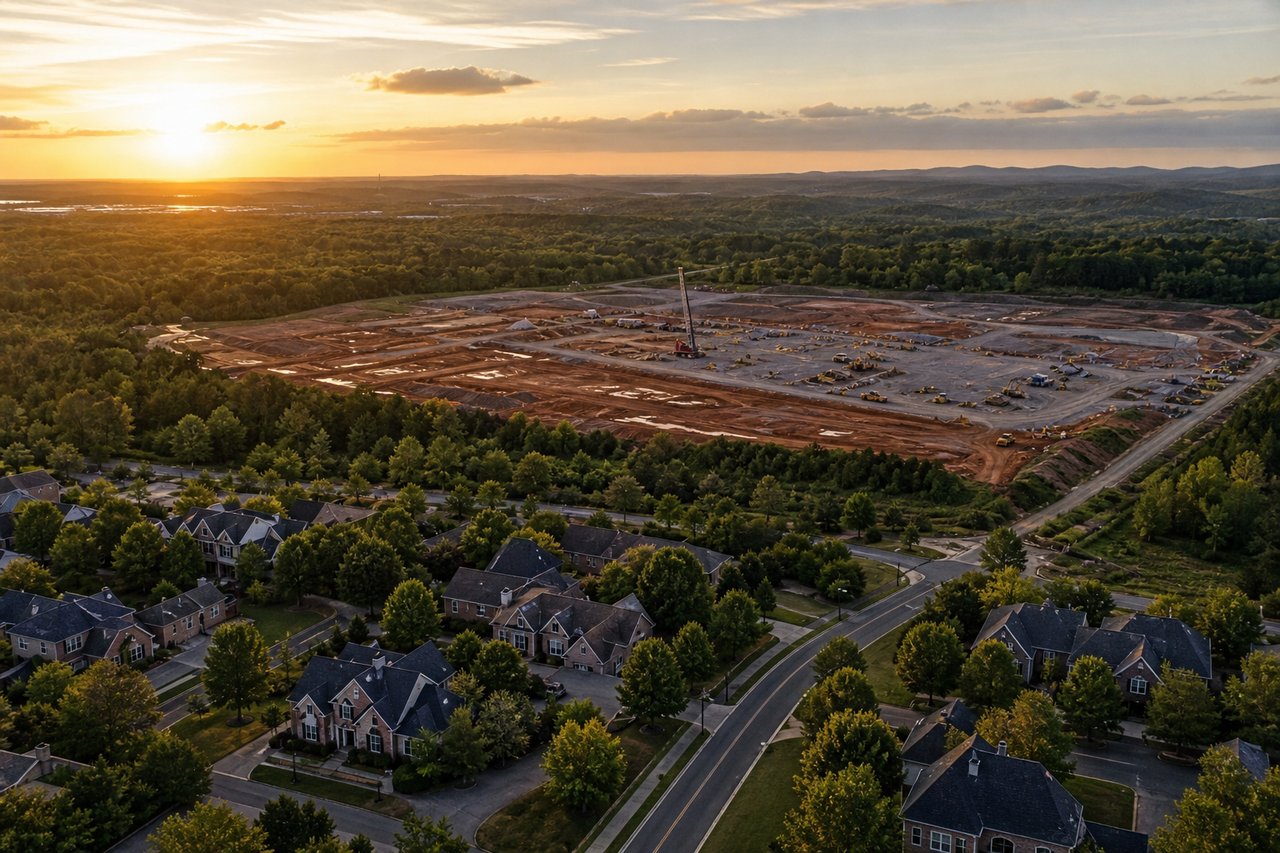
Sugar Hill covers 11.13 square miles in Gwinnett County and has an estimated 29,280 residents in 2025. That reflects 16.8% growth from the 2020 base, which signals ongoing demand and momentum. At the same time, local planning documents show that city leaders are not treating growth as accidental. They are actively guiding downtown development, mobility, and public spaces.
That matters if you are thinking like a homeowner, a move-up buyer, or an investor-minded buyer. A city with a plan often feels different from a city that simply expands without direction. In Sugar Hill, the public vision points toward a more connected, walkable, and balanced community.
A strong ownership base supports stability
One of the clearest signals in Sugar Hill is its ownership profile. Census QuickFacts reports a 79.9% owner-occupied housing rate, which is high enough to stand out. For many buyers, that suggests a market with a strong base of long-term residents and a community structure that is not driven only by short-term turnover.
The same data shows a median owner-occupied home value of $413,400 and a median household income of $107,389. Those figures help frame Sugar Hill as a market where many households have chosen to put down roots. If you are evaluating where to buy, that kind of ownership context can matter as much as any single listing.
From a strategy standpoint, owner-occupied markets often appeal to buyers who want a more established residential feel. They can also be worth watching for long-term resale positioning, especially when paired with steady public investment. Sugar Hill checks both boxes.
Housing options are more varied than many buyers expect
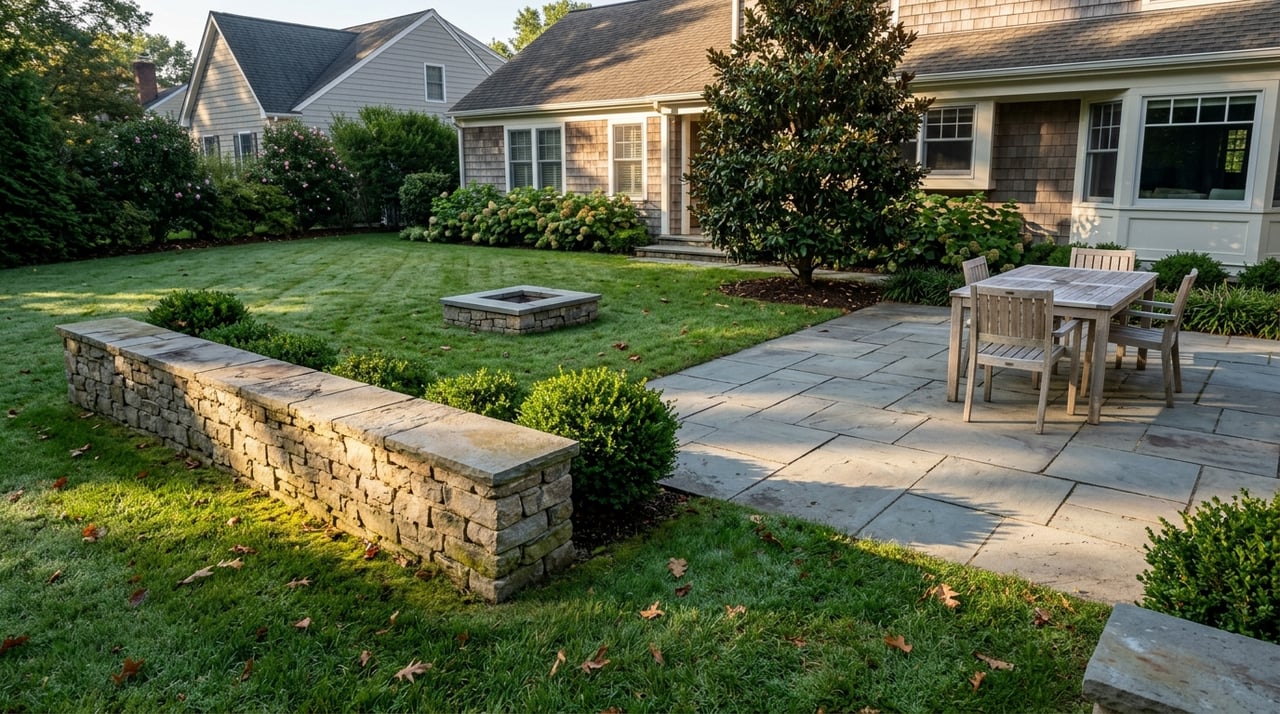
Some buyers assume Sugar Hill is only a subdivision market. In reality, the city’s planning documents describe several distinct areas, including downtown, established neighborhoods, and a transition district. That creates a broader mix of housing settings than you might expect at first glance.
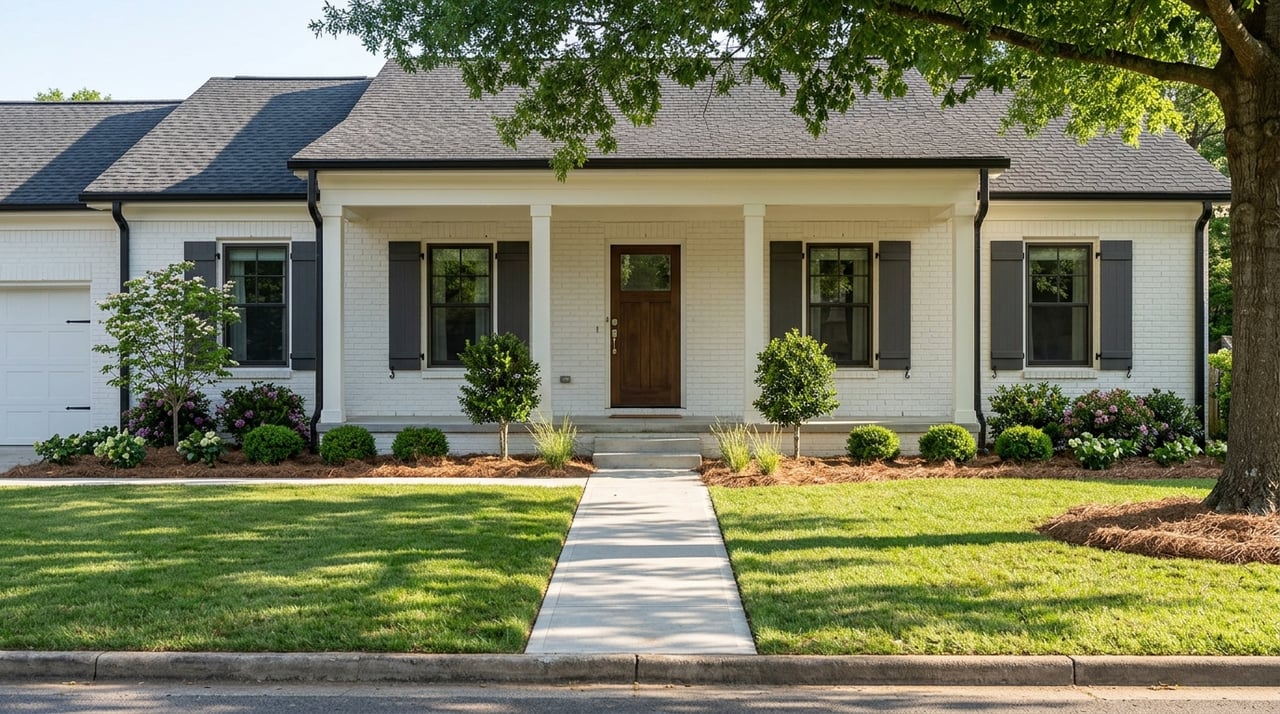
Established neighborhoods are largely single-family suburban neighborhoods built within the last 25 years and are generally built out. That can appeal to buyers who want a more traditional neighborhood structure. The parks plan also notes 28 homeowners associations with private amenities such as pools and tennis facilities, which helps explain the subdivision-oriented character outside downtown.
At the same time, downtown and nearby growth areas add more housing variety. City budget materials reference projects such as The Local, Cadence, Holbrook Senior Living, Solis, and City View brownstones, with product types that include luxury rentals, senior housing, apartments, row houses, townhomes, and brownstones. If you want choices beyond a standard detached home, Sugar Hill offers more flexibility than many suburban buyers realize.
Downtown Sugar Hill adds everyday convenience
One reason Sugar Hill feels strategic is that it is not just a place where people sleep and drive elsewhere. The city describes itself as a live/work/play community, and that idea shows up clearly in its downtown investments. Instead of treating downtown as an afterthought, Sugar Hill has built it into a visible activity center.
The E Center sits in the heart of downtown and is within walking distance of dining, the Eagle Theatre, The Bowl, Splash Park, and The Promenade. The Promenade includes gas lanterns, water features, and public art, which gives the area a more defined sense of place. For buyers who want a suburban home base with a more active center nearby, that combination can be hard to find.
The city’s comprehensive plan also describes downtown as a vibrant activity center with mixed uses and room for additional development. That matters because it points to a downtown that is still evolving, not one that has already reached its ceiling. If you care about future convenience and long-term placemaking, that is worth paying attention to.
Parks and trails strengthen day-to-day livability
A strategic home decision is often about what your life feels like between major events. Sugar Hill’s parks and greenspace system adds real value on that front. The city has 18 parks, 471.3 acres of park land and greenspace, and 4.7 miles of completed Greenway trail.
The current parks master plan also says another 11 miles of multiuse trails are planned to eventually form a loop around the city center. That kind of network can improve recreation, connectivity, and access across the city over time. Buyers who prioritize outdoor access or want more options for walking and biking should view that as a meaningful part of Sugar Hill’s long-term story.
Major public assets include Gold Mine Park, Ridge Lake Park, Gary Pirkle Park, the Sugar Hill Golf Course, Splash Park, and the E Center. The parks department also offers classes and wellness programs. Together, those amenities support a lifestyle that feels active and well-rounded without requiring you to leave town for every outing.
Community programming gives the city energy
A city can have good buildings and still feel flat. Sugar Hill benefits from regular civic programming that helps public spaces stay active and relevant. That is one of the reasons the city often feels more connected than a typical bedroom community.
Splash Nights are free community events held on the last Friday from May through August. They include live music, food trucks, games, and a movie-under-the-stars series at The Bowl. The city also highlights a weekly Farmers Market at The Landing and an outdoor ice rink in downtown during the winter season.
These events matter because they create rhythm. If you are evaluating where to live, a place with recurring public activity often feels easier to plug into over time. It also reinforces the idea that Sugar Hill is investing not only in buildings and roads, but also in how people actually experience the city.
Regional access supports work and travel
Location strategy is never only local. It is also about how easily you can move through the broader region. Sugar Hill benefits from proximity to Lake Lanier, the Chattahoochee River National Recreation Area, and nearby cities such as Buford and Suwanee.
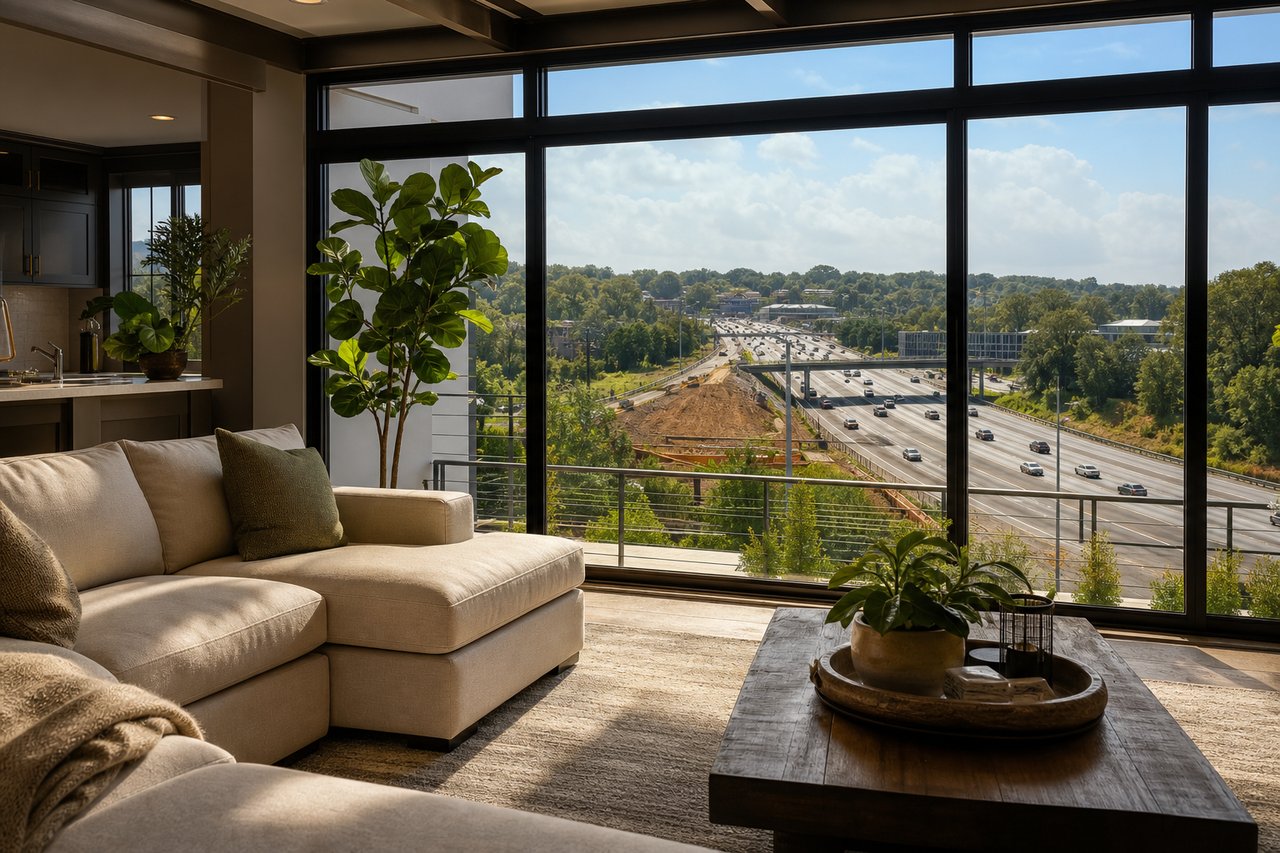
City materials also place Sugar Hill near GA 400, I-985, and I-85, with Peachtree Industrial Boulevard and GA Highway 20 serving as major connectors. Census QuickFacts reports a mean travel time to work of 33.2 minutes, which gives added context for how residents balance suburban living with regional job access. If you need to stay connected to North Metro Atlanta and beyond, Sugar Hill is positioned to make that practical.
The city is also continuing to invest in local mobility. The 2026 capital budget includes the Highway 20 pedestrian bridge, the downtown LCI trail connector, road resurfacing and pavement management, and the Sugar Hill Greenway trail program. Those are not abstract ideas. They are active signs of a city trying to improve how people move around.
Growth here looks managed, not random
Not all growth works in a buyer’s favor. In some places, new development can feel scattered or disconnected from infrastructure. Sugar Hill’s advantage is that its growth story appears intentionally managed through planning, downtown development goals, and capital investment.
The Downtown Development Authority states that its goals include attracting business and investment, supporting existing businesses, and promoting development that increases the commercial tax base to create a balanced community. That language matters because it signals an effort to build a city that is more economically durable over time. For buyers, balanced growth can support convenience and long-term appeal.
The city also reported its eleventh consecutive unmodified audit opinion in 2025 and stated that it had substantial reserves and cash on hand. While that is not a reason by itself to buy a home, it does support the broader picture of a local government that is actively reinvesting. For strategic buyers, public follow-through is worth noting.
Sugar Hill fits several buyer goals
Sugar Hill is not one-size-fits-all, but it lines up especially well with a few common buyer priorities. If you want a predominantly owner-occupied suburban market with visible civic investment, this city has a compelling case. If you also want downtown energy, parks, events, and regional connectivity, it becomes even more interesting.
It can make sense for relocation buyers who want a clearer sense of structure and daily convenience. It can appeal to move-up buyers looking for a market with both traditional neighborhoods and newer housing formats. It can also attract analytical buyers who care about long-term usability, resale context, and whether a city is building with intention.
One important detail to keep in mind is that Sugar Hill’s city limits are intermingled with unincorporated Gwinnett County. That means a Sugar Hill mailing address, neighborhood identity, and actual city limits are not always the same thing. If you are comparing homes, that distinction is worth verifying before you make assumptions about location or city services.
Why strategy matters in your home search
When you buy in a place like Sugar Hill, you are not just choosing square footage or finishes. You are choosing a market with a certain pattern of ownership, investment, mobility, and community use. Those layers often shape your experience and your resale potential more than buyers expect.
That is why a strategic home search should go beyond the listing photos. You want to understand how the city is organized, where growth is happening, what types of housing exist, and how public investment may shape daily life. In Sugar Hill, those factors come together in a way that makes the city worth serious consideration.
If you are weighing a move to Sugar Hill, the right approach is part market analysis and part lifestyle fit. The goal is not just to find a home you like today. It is to choose a location that still makes sense for you years from now.
If you want help evaluating Sugar Hill with a more analytical lens, Hersh Shah can help you compare neighborhoods, housing types, and long-term value so you can make a confident move.
FAQs
Why is Sugar Hill considered a strategic place to live?
- Sugar Hill combines a high owner-occupied housing rate, an active downtown, parks and trails, regular community events, regional access, and ongoing public investment guided by city planning.
What types of homes can you find in Sugar Hill?
- Sugar Hill includes established single-family neighborhoods, subdivision-style communities, and newer downtown-area options such as apartments, townhomes, row houses, brownstones, and other mixed housing formats.
How walkable is downtown Sugar Hill?
- City materials describe downtown as a walkable activity center, and major destinations like the E Center, dining, The Bowl, Splash Park, and The Promenade are located close together in the downtown core.
What outdoor amenities does Sugar Hill offer residents?
- Sugar Hill has 18 parks, 471.3 acres of park land and greenspace, 4.7 miles of completed Greenway trail, and plans for additional multiuse trails around the city center.
How is Sugar Hill connected to the rest of North Metro Atlanta?
- Sugar Hill is near GA 400, I-985, and I-85, with Peachtree Industrial Boulevard and GA Highway 20 serving as key connectors, and it is also close to Buford, Suwanee, Lake Lanier, and the Chattahoochee River National Recreation Area.
What should buyers verify about a Sugar Hill address?
- Buyers should confirm whether a home is actually inside Sugar Hill city limits, because some properties may have a Sugar Hill mailing address or neighborhood identity while being located in unincorporated Gwinnett County.